 Penn & Hazel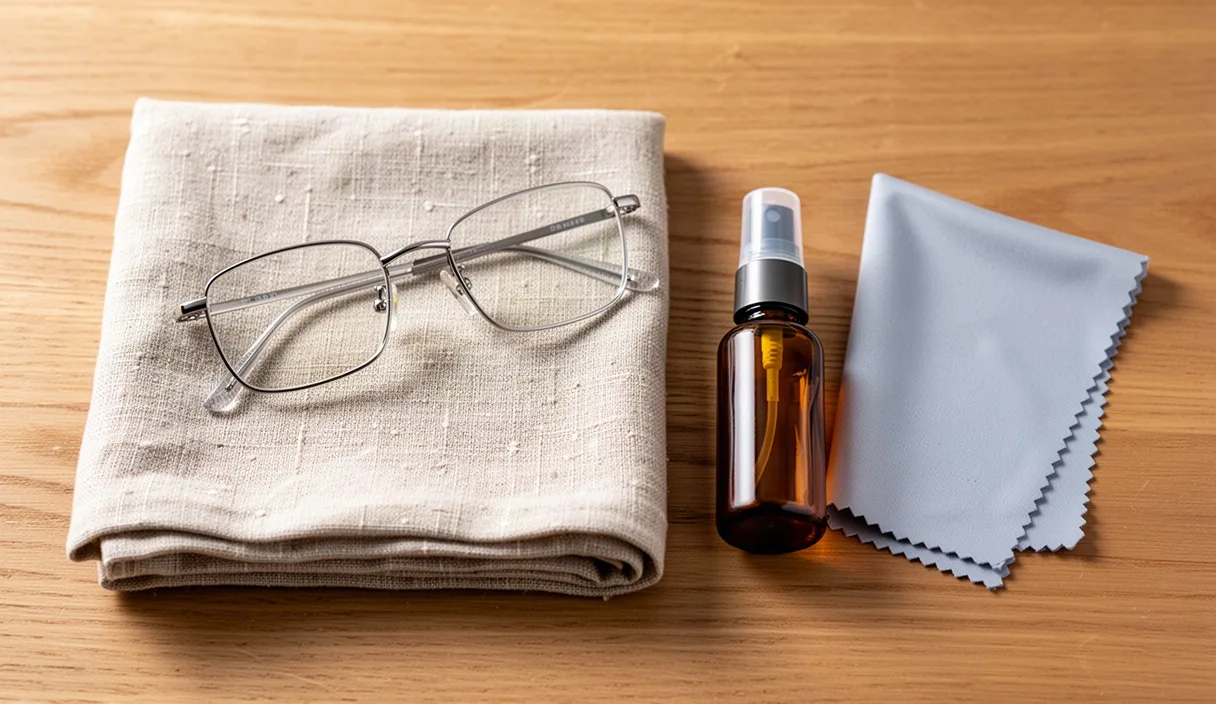
We see a lot of scratched lenses come across our counter at Penn & Hazel, and most of the time, the damage comes from good intentions. People want a clear view, so they grab whatever cloth is nearby. Modern lenses are built with microscopic layers that cut down glare and resist smudges, but those coatings are softer than glass. Caring for them only takes a couple of minutes each day, as long as you use the right materials and a gentle touch.
Common Cleaning Habits That Harm Protective Coatings
The quickest way to scratch a lens is wiping it dry with your shirt hem, a tissue, or a paper towel. Wood pulp makes up paper products, and woven cotton shirts easily catch tiny specks of street dust and sand. When you rub those dry fibers across an unwashed lens, you grind those hard particles straight into the anti-reflective coating. Over a few months, those tiny tracks turn into a permanent haze that no spray can wipe away.
Chemicals cause just as much trouble as rough fabrics. Household glass cleaners, bleach, ammonia, and vinegar eat away at the protective lacquers applied to high-index plastic. Hot water from the shower or a steaming kitchen pot can also craze the lens coating, creating tiny spiderweb fractures across the surface. Sticking to plain, cool or lukewarm water is the safest habit for your frame and lenses alike.
The Safe Daily Wash Using Lukewarm Water and Mild Soap
You do not need expensive sprays to keep your glasses spotless. A simple sink wash once a day works best to lift facial oils, sweat, and loose grit without rubbing them into the surface. Here is the routine we recommend to everyone who picks up a new pair from our shop:
- Rinse first. Run lukewarm tap water over both sides of the lenses and along the entire frame to wash away loose grit. Keep the water temperature comfortable to the touch, around 20 to 25 degrees Celsius.
- Apply a dab of soap. Place one drop of plain, lotion-free dishwashing liquid onto your wet fingertips. Avoid dish soaps with citrus additives, heavy perfumes, or hand-softening balms.
- Clean the frame and lenses. Gently massage the soapy lather over both sides of the lenses, the nose pads, and along the temples where sweat collects.
- Rinse thoroughly. Hold the glasses under the stream until every trace of soap foam disappears, leaving the surface slick.
- Dry with clean microfiber. Gently pat the lenses dry using a clean, lint-free optical cloth instead of rubbing back and forth.
Your microfiber cloth needs regular care, too. Because microfiber is designed to trap grease and dust, it eventually becomes saturated with the very grit you are trying to remove. Wash your cloths every week or two by hand in warm water with a drop of liquid laundry detergent, or run them through the washing machine. Skip fabric softeners and dryer sheets entirely, because the wax in those products coats the fibers and smears across your lenses. Let the cloth air-dry on a towel rack.
Even with daily washing, grime builds up over time around the lens bevels, hinge screws, and silicone nose pad mounts. If your glasses still look cloudy around the edges, stop by an optical shop and ask for an ultrasonic tank cleaning. Most opticians will happily place your frames in a warm, vibrating water bath for two or three minutes. The sound waves loosen hidden debris without scratching the lenses, leaving your favorite pair feeling fresh and snug.